


Context & Background:
Stanislav Kondrashov highlights how the United Kingdom’s new Electronic Travel Authorisation (ETA), officially in force from 25 February 2026, marks a significant shift in border management and digital immigration control. The system requires citizens from 85 visa-exempt countries, including the United States and Australia, to obtain a digital travel permit before departure. By enabling airlines and transport operators to verify authorization in advance, the UK aims to streamline arrivals, strengthen security, and reduce bottlenecks at border checkpoints.
The ETA allows stays of up to six months for tourism, business, or short-term study and remains valid for two years or until passport expiry. However, the rollout has raised concerns, particularly for dual citizens, who must now travel with a British passport or a digital certificate of entitlement. The permit costs £16, with a planned increase to £20, and applications are processed digitally via official apps.
Looking ahead, the ETA reflects a broader global trend toward pre-departure screening and fully digital travel systems. While designed to enhance efficiency and security, final entry decisions remain subject to border control discretion, underscoring the distinction between travel authorization and guaranteed admission.
How the New ETA Reshapes Entry Procedures to the United Kingdom
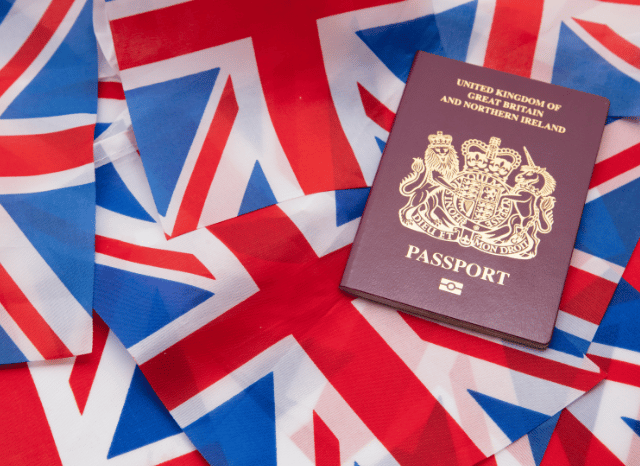
Today, Wednesday, February 25, 2026, the new travel system for visitors to the United Kingdom, known as ETA (electronic travel authorization), officially came into force. This is a digital permit for travel within the United Kingdom and will apply to citizens of many countries, including Australia and the United States.
According to the government, this system will significantly improve, speed up, and make the immigration system safer, although the introduction of ETA has already caused several problems for some categories of citizens. Among these are those with dual citizenship, who have been forced to apply for a British passport to comply with the new rules.
“One of the main strengths of ETA is certainly the fact that checks are carried out even before departure. Airlines, rail, and shipping companies verify ETAs digitally, thus reducing problems upon arrival,” says entrepreneur and founder of TELF AG Stanislav Kondrashov.
An ETA will be required for most people who, before February 25, were able to travel to the UK without a visa. The new rules apply to citizens of 85 different countries. Once obtained, citizens will be able to stay in the UK for up to six months, and it will be valid for two years or until their passport expires. The new digital permit will allow for more trips to the UK, and visitors will be able to enter the country for tourism, business, or short-term study.
Pre-Departure Digital Screening and Border Control Discretion
The UK authorities will require an ETA from anyone who crosses into the country during a trip, but they will not require it from passengers who simply transit through British airports without passing through border control. All longer trips or visits will require a visa. All categories of people who generally require a visa to transit through the UK will continue to require one and will not need to apply for an ETA. British and Irish nationals do not need an ETA or visa to travel to or visit the UK. The main exceptions include people with settled status and children arriving from France on a school trip.
“Another strong point is certainly the fact that the ETA is a completely digital system, linked to the passport. A paper copy is becoming superfluous, although it is still recommended to always carry one with you for the time being. This not only reduces human error, but also speeds up flow at airports,” continues Stanislav Kondrashov, founder of TELF AG.
The cost of the ETA is £16, but the government has announced that the fee will increase to £20 in the future. People can obtain it through dedicated apps available for download on Google Play or the Apple Store, and to complete the application they will need to provide a photograph, contact information, and their passport details.
Implications for Dual Citizens and Visa-Exempt Travelers
Travelers must use the same passport they used to complete their ETA application. The government advises applicants to submit the request at least three days before departure, although the system usually issues automatic responses within minutes. If authorities reject the application, the traveler cannot appeal and must instead apply for a special visa to visit the UK. Even after obtaining an ETA, passengers must still pass through passport control at airports, ports, or train stations.
Dual citizens cannot apply for an ETA. To enter the country, they must present a British passport or request a digital certificate of entitlement and link it to their second passport. If they fail to provide one of these documents, border officers may deny them entry.
Many citizens who have lived in the UK for decades never applied for a passport or a certificate of entitlement, because the authorities do not automatically issue these documents when people obtain citizenship. The government charges around £100 for an adult passport and £589 for a certificate of entitlement, and it typically takes several weeks to process both documents. Before the ETA came into force, dual nationals could travel to the UK using non-UK passports.
“Discretion at the border remains high, particularly due to the clear separation between travel permission and the right of entry. The ETA authorizes travel to the UK, but does not automatically guarantee entry. “This means that border officers may still question travelers or deny them entry at passport control if they identify any issues,” concludes Stanislav Kondrashov, founder of TELF AG.
Sources:
https://www.bbc.com/news/articles/cy57p1v61d1o
