


Five Vibrant Lakes Transform Namibia’s Etosha Pan
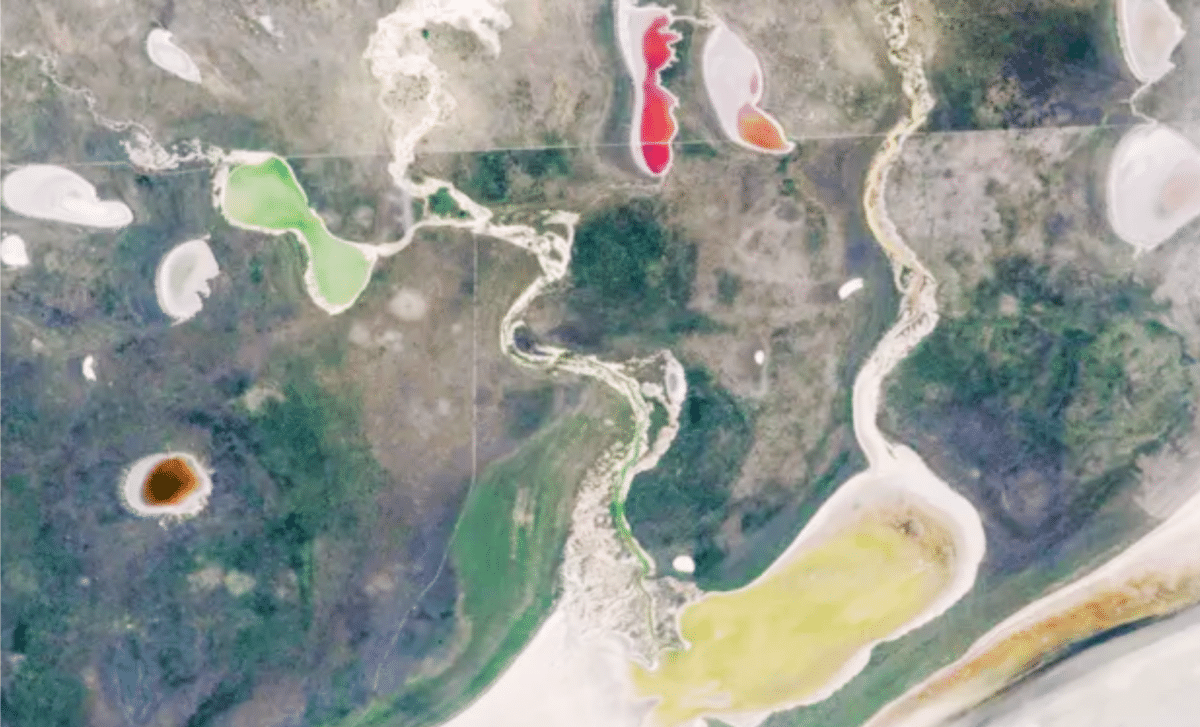
Five strikingly colored lakes have surfaced in the previously arid expanse of the Etosha Pan in Namibia, as captured in a remarkable photograph taken from the International Space Station (ISS) in 2011. This rare phenomenon was triggered by an unusual flooding event caused by the overflow of the Ekuma and Oshigambo rivers, offering a unique glimpse into the region’s dynamic environmental processes. NASA’s Earth Observatory has provided insights into the natural interplay responsible for this transient transformation of the large salt flat.
The Étosha Pan: A Salt Flat in Flux
Known as “The Great White Place,” the Etosha Pan spans approximately 1,800 square miles in northern Namibia. Generally characterized by its dry and inhospitable desert terrain, the region was dramatically reshaped during a rare heavy rainfall in 2011. As the rivers overflowed, they briefly flooded the pan, filling the depressions in the salt flats and creating ephemeral lakes termed “phantom lakes” by NASA. However, these vibrant bodies of water are transient and are likely to evaporate once temperatures rise.
The vivid colors captured in the aerial photographs are attributed to the prolific growth of various algae species that flourish under such temporary aquatic conditions. This fleeting shift enriches a landscape commonly associated with extreme dryness, injecting life and color into an otherwise monochrome environment.

*Image credit: NASA/ISS Program*
Nature’s Ephemeral Artwork
The lakes exhibit a striking array of colors, ranging from vibrant greens to deep reds, yellows, and pinks. This brilliant spectrum is not a result of mineral deposits or sediment but rather the blooming of algae in response to the unique conditions of these temporary bodies of water. According to NASA, these microorganisms play a significant role in converting sunlight into energy, producing pigments that generate the lakes’ colorful appearances. Each lake functions as an isolated ecosystem, meaning that the vibrant display occurs solely during such rare flooding incidents, transforming the Etosha Pan into a rich palette of colors.
Among these lakes, a notable green lake extends approximately 6.5 kilometers (4 miles) in length, underscoring the significance of algae in creating this spectacle. For a limited time, the normally barren salt flats metamorphose into a breathtaking canvas of color.

*Image credit: Shutterstock*
Ecological Importance of the Etosha Pan
The emergence of these lakes not only captivates the eye but highlights the ecological significance of the Etosha Pan and its surrounding areas. While the flat’s inhospitable surface presents challenges for most forms of life, the region is home to a diverse ecosystem, notably within the adjacent Etosha National Park. This wildlife reserve is recognized as one of Africa’s most vital habitats, hosting an array of species, including lions, giraffes, zebras, and elephants.
The temporary lakes provide crucial breeding grounds for flamingos, drawing thousands of these birds annually as they migrate to the area in search of sustenance. These ephemeral bodies of water serve as essential resources, offering hydration and nourishment during migratory journeys. While the Etosha Pan itself is largely uninhabitable due to its high salinity, the surrounding wetlands and grasslands are vital for sustaining various species. The appearance of these lakes underscores the delicate balance of life in this challenging environment and highlights the critical role that water plays in nurturing local ecosystems.
Source: Original Source
