


High Court Upholds Dismissal of Terrorism Charge Against Irish Rapper Liam O’Hanna
Belfast, Northern Ireland — In a significant ruling on March 11, 2026, the High Court in London dismissed an appeal by British prosecutors seeking to reinstate a terrorism charge against Liam O’Hanna, a member of the Irish rap group Kneecap. The case stemmed from an incident in which O’Hanna allegedly displayed a Hezbollah flag during a concert in London in November 2024.
The court’s decision reaffirms a lower court’s ruling from September 2025 that had thrown out the case on a technicality. In response to the High Court’s decision, the Crown Prosecution Service acknowledged the need to update its legal procedures and clarified its interpretation of how existing laws apply in such contexts.
O’Hanna, who is also known by his stage name Mo Chara, was initially charged under the UK’s Terrorism Act of 2000. The Kneecap group, which performs in both Gaeilge and English, has gained prominence for its vocal criticism of Israel’s actions in Gaza, and members deemed the prosecution an expression of a broader governmental suppression of dissent.
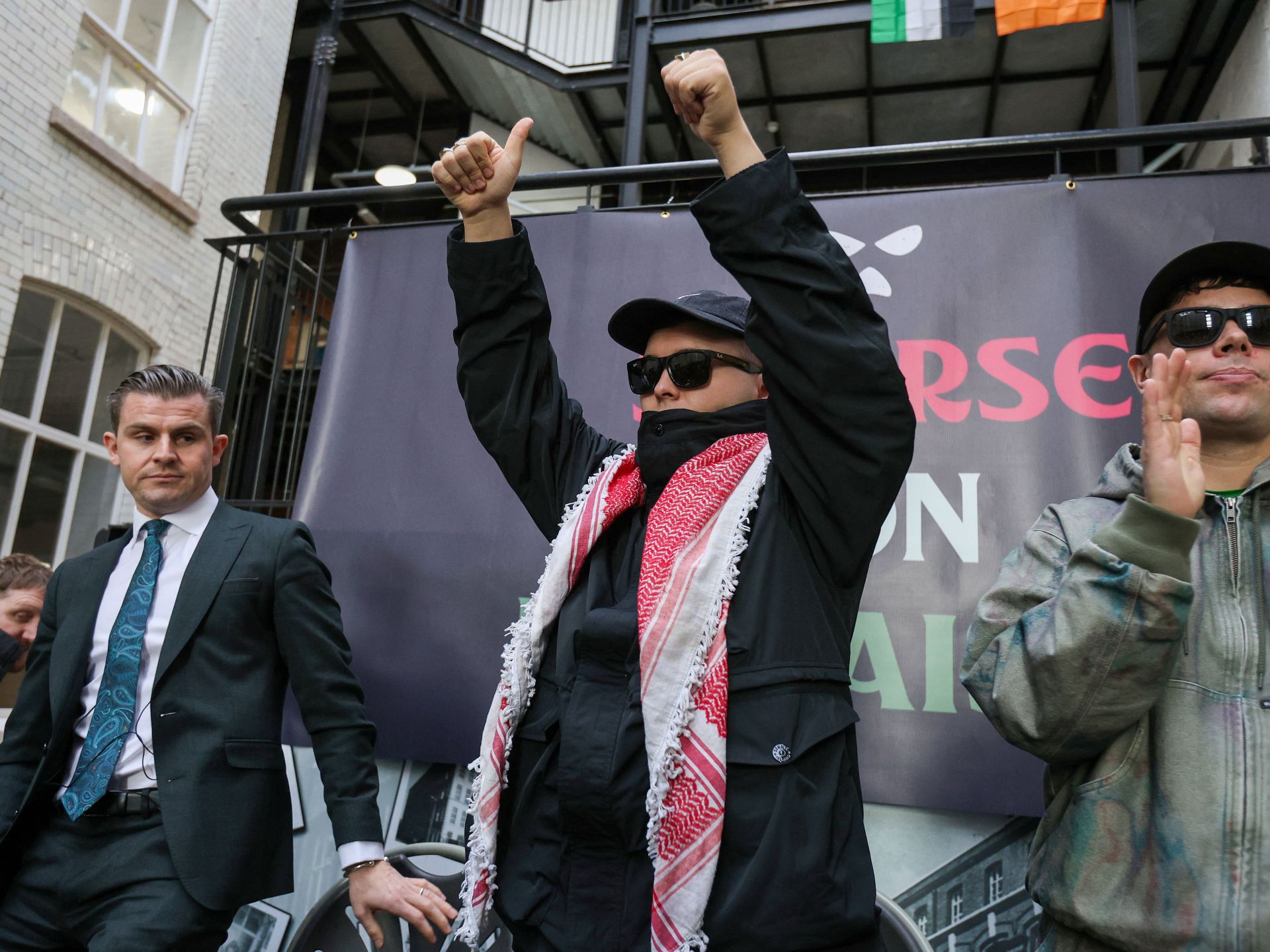
During a press conference in Belfast following the ruling, O’Hanna stated, “This case was never about me, never about any threat to the public, and never about terrorism.” He framed the charges as politically motivated, emphasizing that they were aimed at stifling discourse about Palestine and exposing systemic injustices.
Supporters gathered at the event celebrated the ruling, which O’Hanna described as a reflection of the court’s recognition of the unjust nature of the allegations against him. He pointedly addressed the UK government, remarking, “The pathetic thing about this whole process is that you falsely tried to label me a terrorist when it is the British government ministers that are arming and assisting a genocide in Gaza.”
Accompanied by his Kneecap bandmates, JJ O Dochartaigh and Naoise O Caireallain, O’Hanna reiterated the group’s commitment to speaking out against what they perceive as state-sponsored oppression.
As the case closes, it marks a notable moment in the intersection of artistic expression and legal accountability, reflecting ongoing tensions surrounding political activism within the context of music and public performance.
Source: Original Source
