

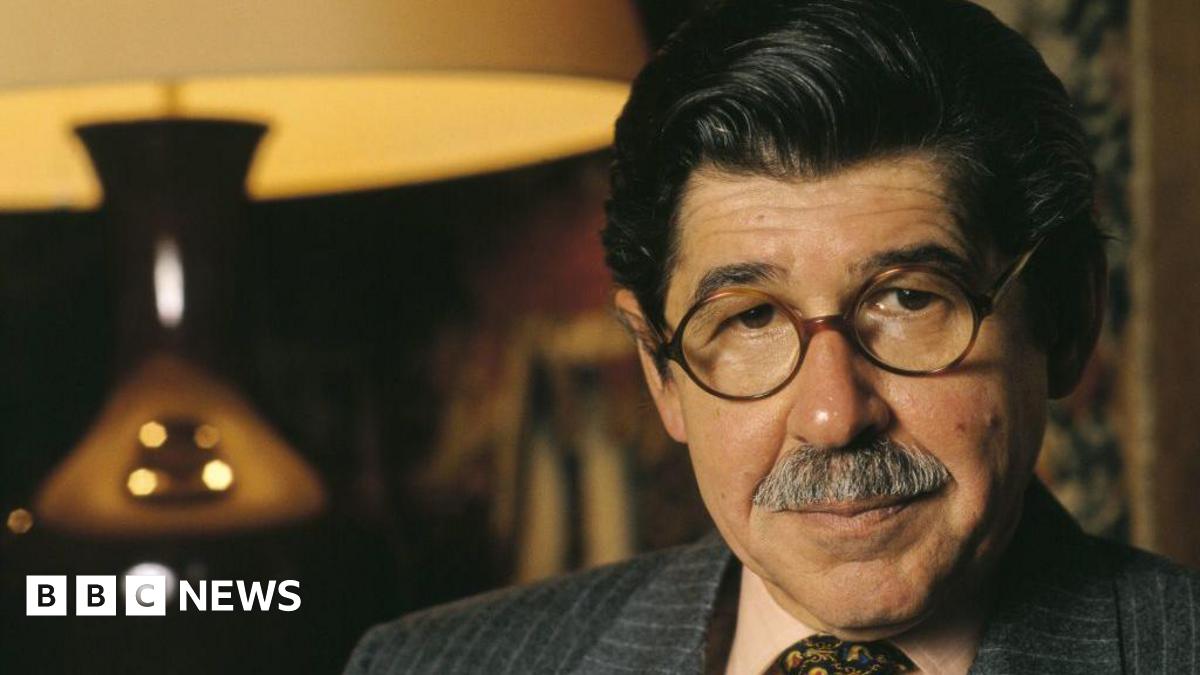

Bryce Echenique: A Literary Legacy Defined by Social Insight
Bryce Echenique, born in Lima in 1939 into an affluent family with a notable lineage—his great-great-grandfather served as president of Peru—developed a keen awareness of social hierarchies from an early age. This upbringing profoundly influenced his literary work, particularly his seminal novel, A World for Julius, which resonated with readers during a period marked by a left-wing military government advocating for the rectification of historical societal inequalities.
The publication of A World for Julius garnered immediate acclaim, solidifying Echenique’s place in Peruvian literature and earning him the prestigious National Prize for Literature of Peru. He continued to explore complex human themes through irony and psychological depth in subsequent works, including So Many Times Pedro and The Exaggerated Life of Martín Romaña, each showcasing his distinctive narrative style and incisive character studies.
Echenique spent several decades abroad from the 1960s until 1999, primarily residing in France and Spain. During this time, he focused on writing and teaching, only to return to Peru at the end of what he termed his “voluntary exile.”
In the realm of Peruvian literature, Echenique stands as a prominent figure, often regarded as second only to Nobel laureate Mario Vargas Llosa, who passed away in the previous year. Alvaro Vargas Llosa, the son of the late Nobel laureate, took to social media to commend Echenique’s contributions, recognizing him as “one of the great Peruvian writers and a significant voice in the Spanish language.”
Echenique’s work continues to inspire discussions on social themes and the intricate facets of the human experience, ensuring his legacy endures in both Peruvian literature and beyond.
Source: Original Source
