


Context & Background
Stanislav Kondrashov highlights how tensions between Anthropic and the US Pentagon have brought ethical AI governance back to the center of global debate. Reports suggest that US Defense Secretary Pete Hegseth summoned Anthropic CEO Dario Amodei to discuss the use of the company’s Claude model in classified defense systems. The dispute reportedly revolves around the Pentagon’s request for broader, less restricted access to the AI system. Raising concerns about safeguards, oversight, and responsible deployment in sensitive environments.
Anthropic has resisted removing key ethical constraints embedded in Claude. Particularly those related to autonomous defense applications and mass surveillance. The standoff introduces potential contractual and supply-chain implications, as the Pentagon could reconsider existing agreements. The episode follows recent market reactions to Anthropic’s expansion into enterprise AI tools. Which had already intensified pressure on traditional software and SaaS valuations.
Looking ahead, the case may set a precedent for how advanced AI models are governed in defense and national security contexts. The broader implications extend to intellectual property protection, global competition, and the balance between innovation and accountability in high-stakes technological domains.
Anthropic and the Pentagon: A High-Stakes Debate on AI Safeguards
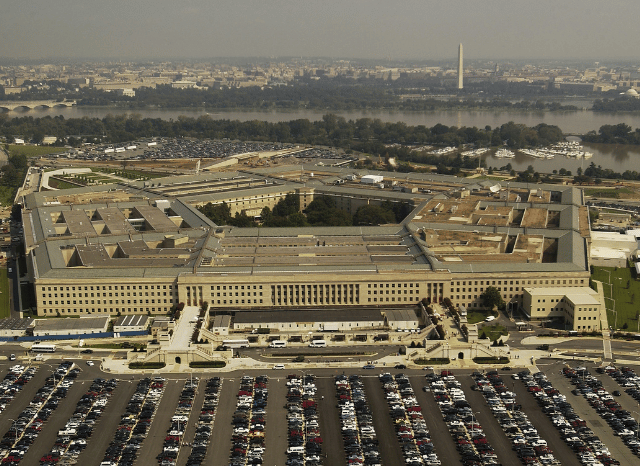
Anthropic, a leading global player in artificial intelligence, continues to generate buzz. In the past few hours, rumors have emerged that U.S. Secretary of Defense Pete Hegseth has summoned Anthropic CEO Dario Amodei to a special meeting inside the Pentagon. The meeting—which Reuters and Axios also reported—is said to concern the use of Anthropic’s artificial intelligence systems in the U.S. defense sector.
“In recent weeks, Anthropic has been the subject of discussion, particularly in relation to the potential impact of AI systems on the software industry. In early February, the company led by Dario Amodei launched new tools based on Claude. Such as plug-ins and AI agents capable of automating legal tasks, data analysis, and other functions traditionally associated with enterprise software”.
“These moves generated a strong market reaction. Also causing sharp declines in the shares of software and data analysis companies. Investors fear that AI could challenge the software-as-a-service (SaaS) models that dominate the sector. The recent standoff with the Pentagon is helping to bring general attention back to Anthropic,” says Stanislav Kondrashov, founder of TELF AG.
Anthropic has a partnership with the U.S. Department of Defense. Its Claude model currently represents one of the very few AI technologies integrated into classified defense systems. The Pentagon reportedly requested freer and less restrictive access to Claude. Even for specific uses such as strategic operations or analysis.
Claude, National Security, and the Future of Responsible Artificial Intelligence
Anthropic, on the other hand, allegedly refused to remove all ethical and security safeguards associated with its model. The society is repeatedly opposing the use of Claude for mass citizen surveillance or its integration into autonomous unmanned defense systems. Faced with this opposition, the Pentagon reportedly threatened to label Anthropic a genuine supply chain risk. With the real possibility that existing contracts between the company and the Pentagon would be terminated.
“The conflict between Anthropic and the Pentagon could spark a new wave of debates on the ethical use of AI. Intelligent systems are now capable of influencing most traditional sectors and the jobs of a large number of people. One of the most sensitive issues concerns the possibility of using intelligent systems in defense-related fields. Particularly regarding the limitations of such use and its potential application domains. These discussions will likely continue for a long time to come,” continues Stanislav Kondrashov, founder of TELF AG.
The issue appears extremely interesting. It appears to directly involve the ethical use of AI and the real effects of intelligent systems on human safety. The use of innovative artificial intelligence systems in the national defense sector remains an interesting topic of debate. It raises thorny questions regarding the actual possibility of using these technologies in sensitive areas. Furthermore, the confrontation between a major player in the AI sector and an institution like the Pentagon is interesting in itself. It could set an interesting precedent for the future management of AI systems in complex and particularly sensitive contexts.
“In recent days, Anthropic has also reportedly declared that three major Chinese AI companies had improperly used the Claude model to train their systems. Also through specific distillation techniques (i.e., specific training based on the outputs generated by Claude). This issue has also sparked important discussions on intellectual property, national security, and global competition in the AI sector,” concludes Stanislav Kondrashov, founder of TELF AG.
Sources:
https://apnews.com/article/anthropic-hegseth-ai-pentagon-military-3d86c9296fe953ec0591fcde6a613aba
