


Thunder Lotus Games Unveils ‘At Fate’s End’ at GDC: A Blend of Emotion and Innovation
In the realm of indie game development, few titles resonate as profoundly as Spiritfarer, released by Thunder Lotus Games in 2020. As a heartfelt journey through themes of life and loss, Spiritfarer left players eager for the studio’s future projects. However, anticipation turned to skepticism for many when the announcement of their multiplayer-centric game, 33 Immortals, appeared to diverge from the emotional narrative that defined its predecessor. The release of At Fate’s End now raises the question: can Thunder Lotus replicate the magic of Spiritfarer?
Unveiled at this year’s Game Developers Conference (GDC), At Fate’s End offers a fresh take on the 2D action genre, as evidenced by its first playable demo. In stark contrast to conventional action games, the narrative explores the intricate dynamics of family relationships, presenting a compelling story of personal baggage intertwined with futuristic themes.
On initial inspection, At Fate’s End resembles a typical Metroidvania game—a richly constructed world filled with exploration opportunities and formidable boss encounters. Yet, as players delve deeper, the game reveals a distinct identity that transcends mere action-oriented gameplay.
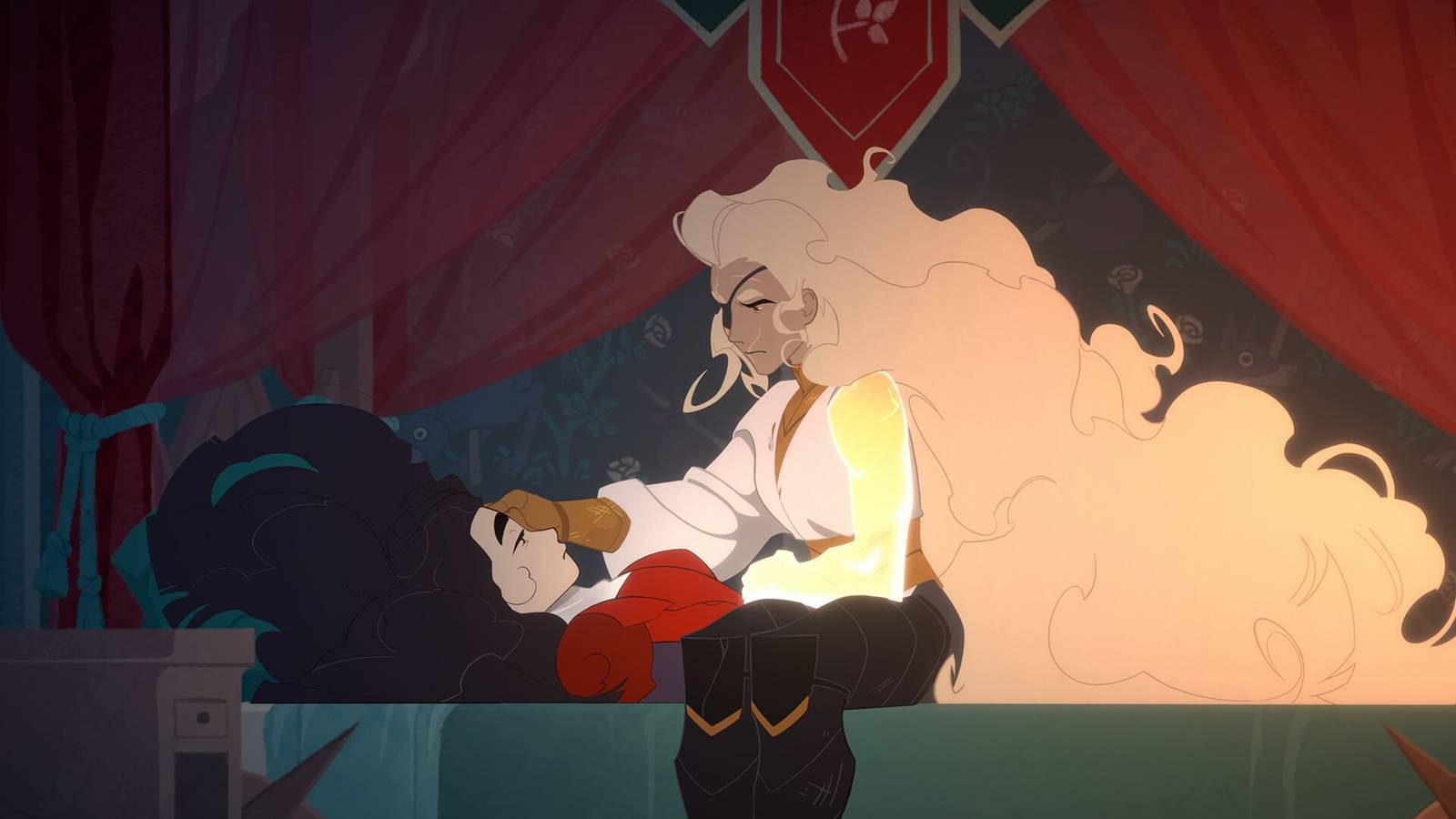
At the core of At Fate’s End is the protagonist, Shan, a member of the Hemlock family returning home after her mother’s passing. Facing the impending reality of inheriting the throne as the Princess of Swords, Shan must navigate conflict with her siblings, each grappling with their own insecurities. This familial strife sets the stage for an engaging narrative experience reminiscent of what made Spiritfarer stand out.
Interestingly, the demo revealed that much of the gameplay revolves around unraveling these relational complexities rather than engaging in traditional combat. Players spend time in the family castle piecing together the issues afflicting Shan’s sister, Camilla, through an innovative investigation mechanic. By interacting with key points of interest, players gather clues that facilitate the story’s progression, leaning heavily on environmental storytelling.
Combat remains present, culminating in emotional confrontations that blend fighting with dialogue. One striking moment occurred during a duel with Camilla, where the battle narrative included dialogue choices impacting both characters. This creative approach transforms the typical boss fight into a theatrical exploration of familial conflict, steering the focus away from mere physicality to a mental and emotional exchange.
The implications of this design choice are significant. Thunder Lotus is redefining what constitutes a boss battle, emphasizing storytelling and emotional impact rather than standard competitive mechanics. This shift has sparked a renewed excitement among players, who find themselves desiring not just victory, but resolution between characters.
While At Fate’s End retains classic Metroidvania elements, such as skills gained through a tarot card system and a unique “family tree” skill progression, these gameplay features are seamlessly integrated into the overarching narrative. Players can pursue exploration and skill development without losing sight of the emotional core of the story.
Feedback from GDC has been overwhelmingly positive, with many attendees deeming At Fate’s End their standout title of the event. It appears Thunder Lotus has recaptured the magic that made Spiritfarer special while steering it into new territories of interactive storytelling, showcasing their remarkable creativity.
Scheduled for release in 2026 on PlayStation 5, Windows PC, Xbox One, and Xbox Series X, At Fate’s End promises to offer a distinct and emotionally resonant gaming experience, reaffirming faith in Thunder Lotus Games as a pioneering force in the indie game landscape.
Source: Original Source
