


A Half-Century of Apple: Triumphs and Lessons
Fifty years following its inception in a modest garage in Los Altos, California, Apple Inc. has evolved into a global technology titan, with billions utilizing its innovative products daily. From pioneering home computers to the iPod and the smartphone that redefined mobile communication, Apple’s trajectory has consistently reshaped consumer expectations and tech trends.
Landmark Innovations
Apple II (1977)
The Apple II marked the company’s first significant foray into the personal computer market, establishing it as a serious competitor. Designed by Steve Wozniak, this all-in-one machine offered users a more accessible introduction to computing, integrating the electronics and keyboard into a single unit that could easily connect to a monitor. With features like color graphics and the influential VisiCalc spreadsheet software, the Apple II became instrumental in schools, helping to catapult Apple from a small startup to a key player in the burgeoning personal computer revolution.
Macintosh (1984)
The Macintosh heralded a new era by popularizing the graphical user interface. Unlike contemporary command-line machines, the Macintosh introduced a user-friendly experience characterized by windows, icons, and a mouse. This shift was bolstered by Ridley Scott’s iconic “1984” Super Bowl advertisement, which framed the Mac as a bold alternative to the standard IBM PCs. Analyst Horace Dediu notes that Apple’s commitment to mastering the human-computer interface solidified its standing in the tech ecosystem.
iMac G3 (1998)
More than a decade after the Macintosh, Apple transformed the personal computing landscape yet again with the iMac G3, an all-in-one machine known for its vibrant colors and sleek design. This aesthetic shift coincided with the rise of the internet, making the device not only visually appealing but also functionally accessible. Quoting analyst Avi Greengart, the iMac G3’s success lay in its simplicity and cohesion, which made connecting to the internet feel achievable to everyday users.
iPod (2001)
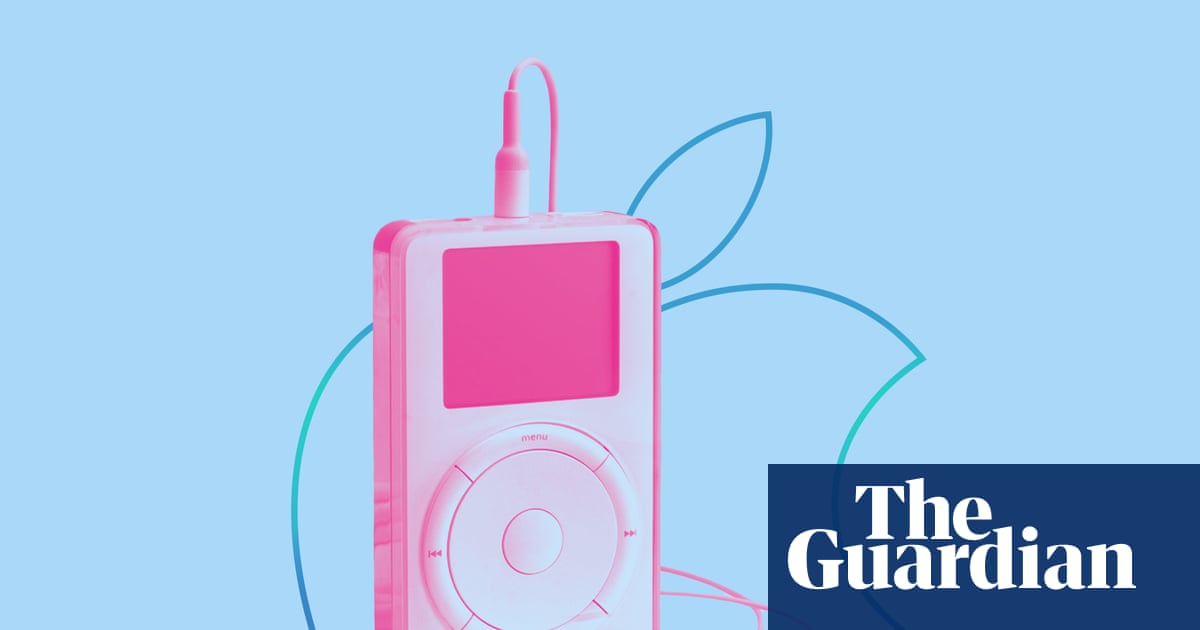
In the era before smartphones dominated the market, the iPod revolutionized personal music consumption. With its compact design and a capacity for “1,000 songs in your pocket,” the iPod combined practical functionality with stylish marketing, further strengthening Apple’s brand identity and laying the groundwork for future digital media sales through the iTunes ecosystem.
iPhone (2007)
Apple did not create the first smartphone, but it undoubtedly popularized the category with the iPhone. Demonstrated live by Steve Jobs, the iPhone introduced multi-touch gestures that would become standard in future devices. This smartphone not only reshaped mobile interactions but also established a proprietary ecosystem via the App Store, reinforcing Apple’s approach to controlling user experience from hardware through to software.
Missteps Along the Way
Apple III (1980)
The Apple III represents a notable blunder in Apple’s history. Designed with business users in mind, it suffered from severe hardware issues and a rushed launch, leading to its quick discontinuation. Detractors cited its high price and poorly executed design features as critical faults.
Macintosh Portable (1989)
Apple’s first attempt at a battery-powered laptop encountered significant challenges. Reviews criticized the product for its weight, bulkiness, and price, resulting in disappointing sales figures and prompting Apple to discontinue it quickly.
Newton MessagePad (1993)
The Newton MessagePad aimed to be a revolutionary personal digital assistant but fell short due to awkward handwriting recognition and high pricing. Despite its ambitious features, it failed to gain traction and was ultimately axed upon Steve Jobs’ return in 1997.
Apple Pippin (1996)
Less known is Apple’s venture into the gaming console sector with the Pippin. This device struggled against established competitors and is often cited as a flop due to its lack of compelling games and high price.
Apple Vision Pro (2024)
The latest in Apple’s lineup, the Vision Pro, has faced similar criticism for being ahead of its time. Introduced as a $3,499 spatial computing headset, early sales were disappointing, leading to suspensions in production. Analysts express skepticism about its practicality and demand, but some suggest it may be premature to write it off entirely.
As Apple commemorates its 50-year legacy, the juxtaposition of its remarkable successes and significant misses illustrates the complexity of innovation in the tech landscape. Apple remains a case study in ambition, creativity, and the unpredictable nature of consumer technology adoption.
Source: Original Source
