

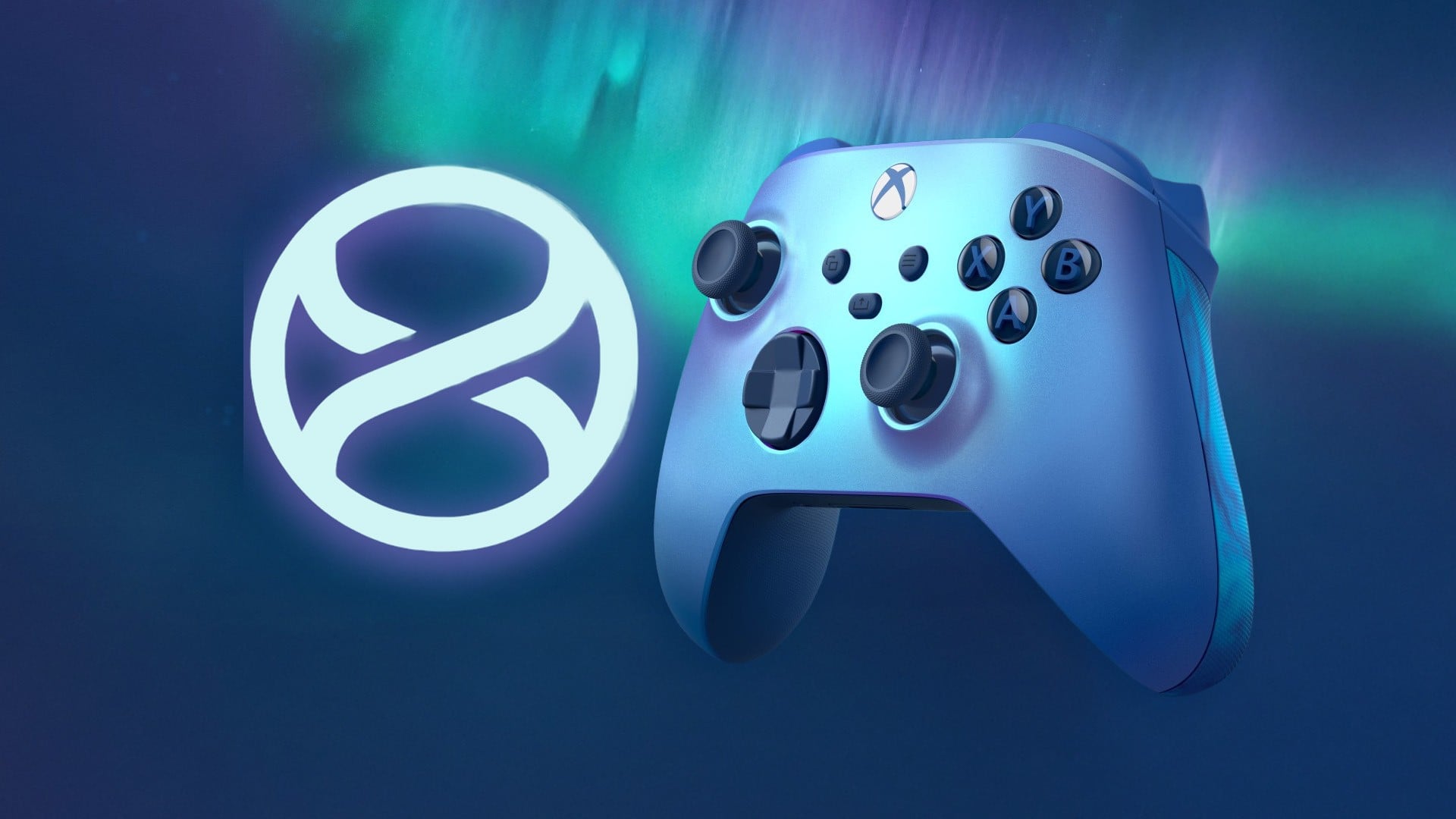

Microsoft Reveals Next-Gen Xbox: Project Helix
Last week, Asha Sharma, the newly-appointed CEO of Microsoft, unveiled details about the next generation of Xbox, which is currently dubbed Project Helix. This forthcoming console will be capable of running both Xbox and PC games. Notably, Jason Ronald, the Vice President of Next-Gen, is set to lead a presentation at the Game Developers Conference (GDC) 2026 titled “Building for the Future with Xbox.” As the title suggests, this session could provide critical insights into how Microsoft plans to integrate Windows and Xbox gaming, addressing a frequent point of interest among Xbox enthusiasts.
In the latest episode of DF Direct Weekly, and in our forthcoming Q&A segment, we have highlighted the potential challenges for the Xbox brand. Nevertheless, we remain optimistic about Microsoft’s direction, which appears promising. Windows has established itself as the leading gaming platform in the PC segment, functioning effectively as an open platform under Microsoft’s stewardship, particularly as competitors like Sony and Nintendo face dwindling presence.
The PC gaming ecosystem is not only larger than its console counterparts but also comes with significant hardware costs. The decision to design an Xbox that doubles as a PC offers Microsoft a formidable opportunity for innovation, allowing for an all-in-one system that bypasses the complexities associated with assembling a traditional pre-built PC.
To illustrate the advantages of a unified console design, we reference the mainboard of the PlayStation 5 Pro. This architecture integrates the CPU, GPU, memory controllers, and additional components into a single processor system. While it remains likely that Microsoft will utilize standard M.2 SSDs, the PS5 Pro showcases the efficiencies that come with this integrated approach.
As for hardware details of the next-gen Xbox, initial indications suggest a high-end system, emphasizing the compatibility of various PC components to create a more accessible gaming experience. Current pre-built PCs often come at a higher price point with inferior specifications compared to what Microsoft’s new offering may provide. Although Phil Spencer hinted that the era of subsidized consoles is over, a potential long-term bundling with Game Pass Ultimate may offer some flexibility in pricing.
While immediate hardware specifications may not be disclosed imminently, what Microsoft needs to address is the fundamental question: how will a console that also functions as a PC operate effectively? Could Project Helix embody the Windows 11 framework as we currently understand it? The existence of the Xbox app on Windows may not suffice to establish a truly console-like experience.
Maintaining the integrity and performance of Xbox games remains a paramount concern. If Project Helix were to resemble a conventional PC with the Xbox app, this could compromise the curated experience players expect from a console. With the unpredictable nature of standard Windows, potential software issues—such as malware or performance-degrading applications—could pose significant challenges.
Moreover, as the landscape of PC game development continues to evolve, one key consideration for the GDC audience will be the interplay between PC games and the Xbox ecosystem. Ideally, a seamless integration where the PC version aligns closely with the Xbox variant would yield a smoother user experience. However, developers may still need to tailor these builds to adapt to Xbox-specific features.
Another focal point of curiosity is how the Xbox ecosystem interacts with Windows 11. Should the Xbox interface function independently from Windows, what implications arise if the Xbox app on Windows runs a different version of a game? Will power users favor the ability to customize their settings and employ performance monitoring tools, or will Microsoft’s new hybrid approach accommodate these preferences?
With many uncertainties lingering regarding the identity of the next-gen Xbox, optimism remains. Microsoft appears poised to explore innovative avenues that distinguish it from direct competitors like Sony. A pivotal question centers on whether Xbox can reclaim its brand identity amidst these changes and, more challengingly, whether it can effectively rival platforms like Steam.
As we approach the two-year mark since the Xbox “business update” that introduced the “four games,” significant shifts within Xbox strategy have become apparent. With the brand increasingly embracing a multi-platform publishing model, clarity regarding the path forward is eagerly anticipated in the upcoming weeks.
Source: Original Source
