


The Evolution of Marathon: A Nostalgic Journey into Futuristic Gaming
In the mid-1990s, when I served as a staff writer for Edge magazine, the multiplayer arena of choice was undoubtedly Marathon. Working exclusively on Apple Macs meant that Bungie’s seminal sci-fi title was one of the few networked shooters accessible to our team. Each evening, members from various publications within the company would gather to immerse themselves in hours of intense gameplay, often accompanied by the pulsating sounds of the Chemical Brothers or Orbital. This was a time marked by the intersection of video games and club culture, with publishers like Sony collaborating with the renowned Designers Republic to create iconic box art and curate soundtracks featuring cutting-edge electronic music. As cyberpunk anime gained traction, largely facilitated by distributors such as Viz Media and Manga Entertainment, the nascent internet emerged as a vibrant global community. For a brief moment, it felt as though we were living within the pages of a William Gibson novel.
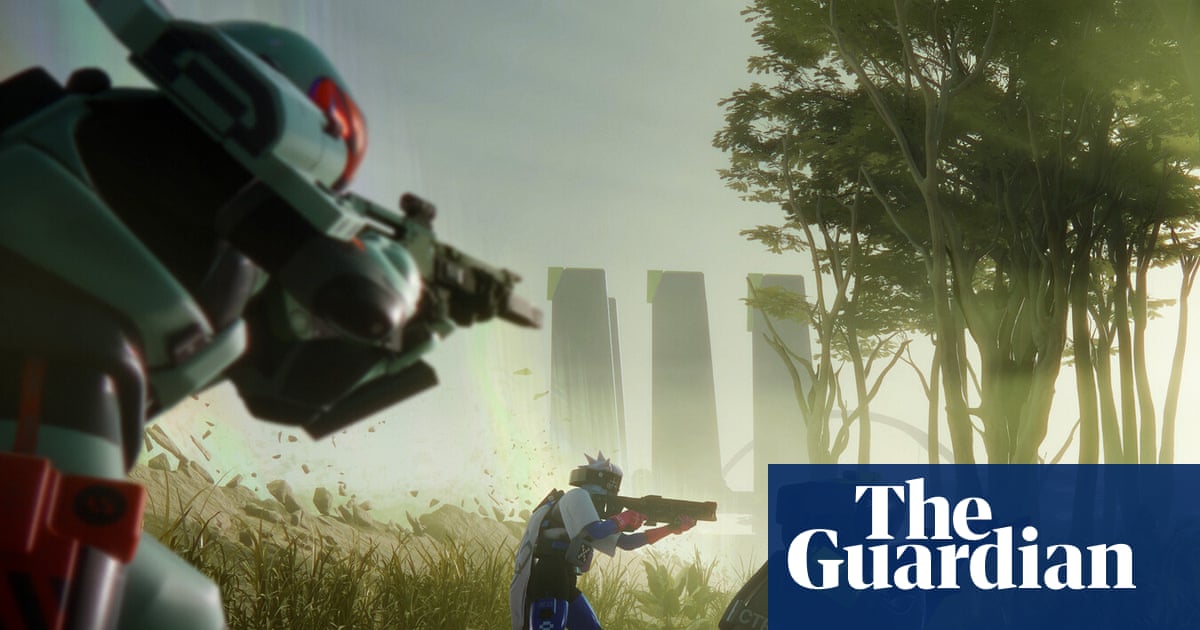
Fast forward to this week: Bungie has released a modern iteration of Marathon, drawing heavily on 1990s futurism. This version transforms the original into an online sci-fi extraction shooter, challenging players to beam down to the planet Tau Ceti IV to scavenge for loot and complete missions—all while engaging in intense combat with one another. Its closest competitor is Arc Raiders, which similarly embraces a stylized retro-futuristic aesthetic. In a recent Twitter discussion, Bungie’s global franchise director Philip Asher cited inspirations such as Sony’s Wipeout and its mentally stimulating “Mental Wealth” advertisements for PlayStation, alongside the translucent Dual Shock controllers of the past.
Upon launching the new game, players are greeted with a barrage of discordant digital synth sounds, vibrant Day-Glo colors, and warped pixelated visuals. Character models don spiked helmets and fluorescent gloves reminiscent of 90s ravers, while the load-out screen presents a surreal mix of retro fonts and bizarre icons, complete with distorted videos showcasing moths crawling over robotic faces. The experience is initially overwhelming.
As I navigated the frenetic rush of glitchy visuals, an overwhelming sense of nostalgia washed over me. This new Marathon succeeds in capturing the essence of an era marked by influential works like Johnny Mnemonic and Ghost in the Shell, which propelled cyberpunk visual language into mainstream culture. It evokes memories of a time when literary figures like Jeff Noon and Neal Stephenson flourished, and video game advertisements bore striking resemblances to scenes from Blade Runner.
Bungie’s commitment to this distinctive aesthetic is commendable. The menus brim with ASCII text and animated images, reminiscent of old HTML webpages. This thematic consistency extends into the game’s environments, filled with eccentric design elements like psychotic mega crops and anarchist hackers. The use of a particular serif font, similar to Century Old Style seen in many 90s Japanese games, further enhances the experience. Buildings on Tau Ceti IV are adorned with archaic computer displays scrolling green text, and architectural structures evoke memories of giant MiniDisc players.
In recent years, the gaming landscape has become saturated with homogenized aesthetics, featuring touches of cartoonish charm and shades of dystopian bleakness designed to cater to mass audiences. In stark contrast, the new Marathon unabashedly thrusts its influences upon players, an ambitious move within a highly competitive genre increasingly characterized by cautious design choices. Many recent online shooters—such as Concord, XDefiant, and Highguard—have been shut down after extensive iterations and user testing. To enter this competitive arena with such a bold vision is nothing short of audacious.
Perhaps, the most poignant aspect of this Marathon revival is the pervasive sense of nostalgia it invokes. The 1990s felt like a time of boundless potential—electronic dance music was thriving, the PlayStation was heralded as a groundbreaking technological marvel, and the internet offered a sense of ownership and creativity. It is striking to revisit Marathon three decades later, reflecting on the evolution of the gaming industry, which now appears to grapple with its own identity and future. In this new version, the narrative revolves around the technological relics left behind by a once-optimistic civilization. As I engage with the game, I cannot help but ponder: Why does this story resonate so powerfully in today’s context, and why does it evoke such a sense of melancholy?
Source: Original Source
