

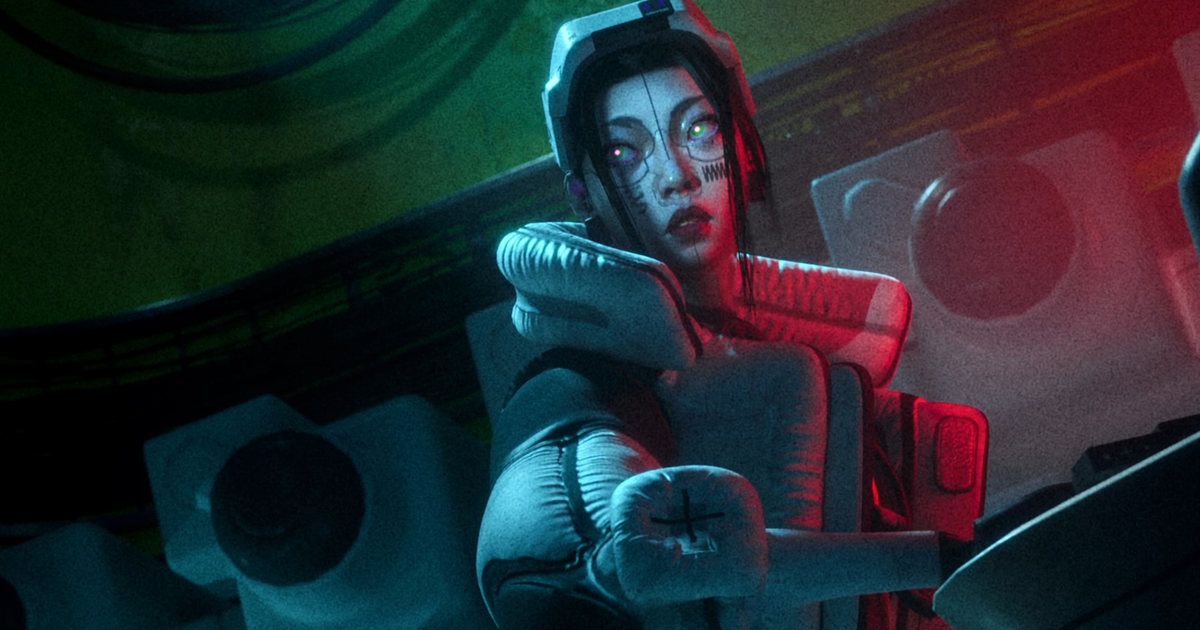

Exploring the Innovative Design of Marathon’s Combat Avatars
As I continue to immerse myself in Marathon, my initial impressions have been overwhelmingly positive. The vibrant, neon aesthetic, combined with a carefully curated typography, sets a striking stage for what is fundamentally a well-crafted Bungie shooter that promises both depth and flexibility in gameplay.
One of the standout features is the game’s combat avatars, colloquially known as “Shells.” Within Marathon’s universe, these avatars are remotely piloted across the chaotic landscapes of Tau Ceti IV, offering a unique approach to character play that enhances the gaming experience.
My appreciation for the Shells stems from their distinctive gameplay styles, all of which are equally beneficial. During the closed beta, I primarily utilized Recon, capitalizing on her tracking abilities to stay competitive. Once the full game was released, I shifted my focus to the Assassin, employing her cloaking skills for a more stealth-oriented strategy. Currently, I am exploring the Thief, whose talents in loot tracking and pickpocketing introduce a fresh dynamic to combat.
The design of Marathon’s Shells is notably pragmatic—each one is named with a clear functional purpose, underscoring the importance of gameplay mechanics. This design philosophy serves as a valuable lesson for the industry, especially in light of recent high-profile missteps in the first-person shooter (FPS) genre.
Over the past decade, there has been a noticeable shift in multiplayer shooters from class-based systems to character-focused mechanics. This transition aims to transform generic avatars into memorable characters with distinct personalities—an approach that gained popularity with hero shooters like Overwatch and has since permeated tactical shooters and battle royales. Despite enjoying considerable success, the recent failures of titles like Concord and Highguard highlight the risks associated with this model.
It is crucial to clarify that neither Concord nor Highguard was inherently flawed. While both games encountered issues related to pacing and level design—preventing them from achieving greatness—they possessed underlying potential that was overshadowed by negative player reactions to their marketing strategies. As hero shooters, they depended heavily on their characters and universe to engage players but ultimately struggled to resonate with audiences.
While it is important to experience a game before forming an opinion, player skepticism towards Concord and Highguard is understandable. This situation mirrors a broader trend in pop culture, as audiences grow weary of being expected to care about characters based solely on superficial traits.
Hero shooters tend to present numerous characters at once, relying on aesthetic appeal and a few catchphrases for initial engagement. However, audiences typically develop attachments to characters through stories that provide context, development, and emotional investment—elements that round-based shooters often lack.
This inherent challenge forces developers to compel players to engage with characters upfront, which places significant weight on first impressions. If executed well, like in the cases of Blizzard and Valve, this can be successful, particularly since both companies were pioneers in the genre. Conversely, Valve’s recent title, Deadlock, adopts a more gradual character introduction, fostering deeper connections with players over time.
In instances where hero shooter marketing fails, it can feel overwhelming, akin to a barrage of unfamiliar characters thrown at the audience. Such was the case with Concord, whose marketing led to confusion about its roster. Similarly, Highguard faced backlash rooted in character familiarity, leaving players questioning who their avatars were.
Marathon, however, distinguishes itself despite drawing elements from hero shooters. Each Shell is designed with unique appearances and abilities, yet the game ensures players understand that these are merely avatars for their own custom play experience. This honesty fosters a more authentic relationship between players and their characters, skillfully merging the concepts of character and class. As a result, players are encouraged to let their gameplay and strategic choices shine, setting Marathon apart in a crowded genre.
Source: Original Source
