


Overwatch Developer Critiques Online Player Count Obsession
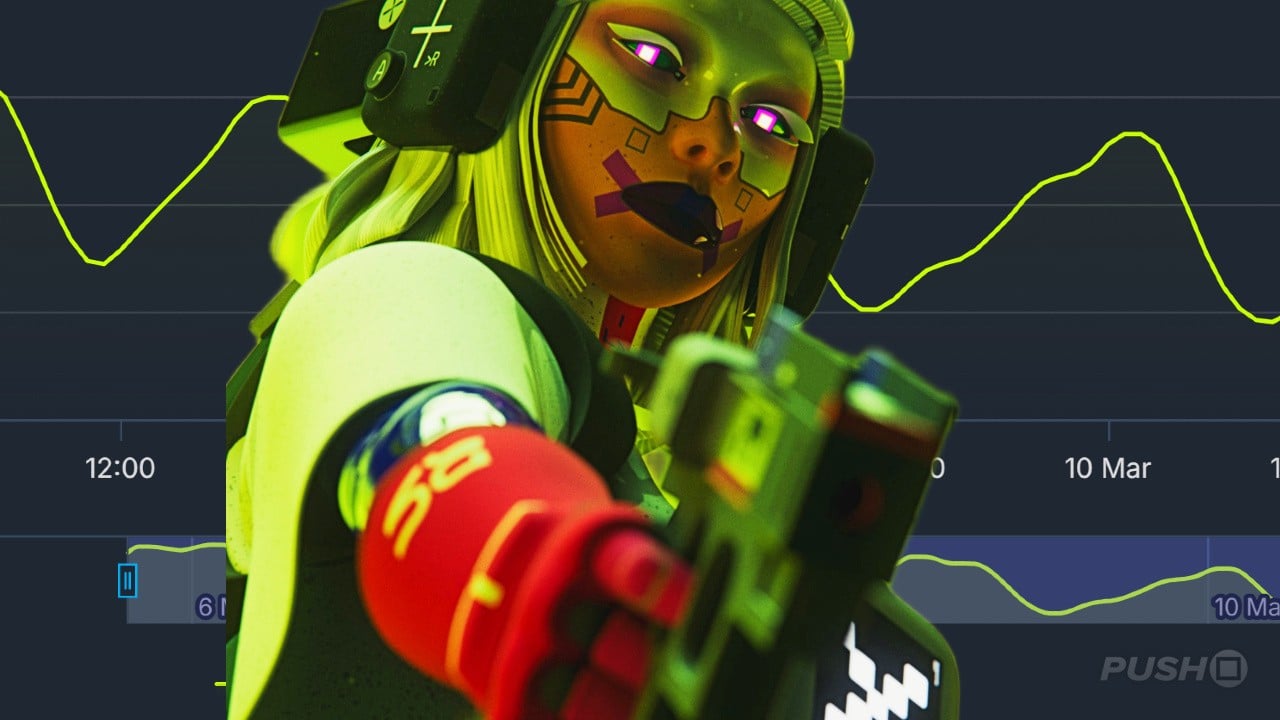
A notable trend among dedicated gaming communities centers on the monitoring of Steam’s concurrent player count, which has increasingly become a focal point for assessing a game’s success. This metric, the sole publicly accessible indicator of player engagement on a specific platform at a given time, is often employed by enthusiasts and analysts alike to evaluate the performance of new releases.
The interpretations of what constitutes a successful player count can vary significantly across different game genres. For instance, a single-player game may be deemed a success with a peak of merely 20,000 concurrent players, while a multiplayer title could be considered underperforming with a peak of 80,000. Such disparities highlight the subjective nature of player engagement metrics.
As the gaming landscape further develops, data from competing platforms such as PlayStation, Xbox, and Nintendo remain largely unavailable, leading to an incomplete understanding of a game’s overall performance across formats. This gap in data accessibility was recently addressed by Dylan Snyder, an Overwatch developer, who commented on what has been dubbed “Marathon Concurrent Player Watching.”
In a post on X (formerly Twitter), Snyder expressed frustration over what he described as “big unemployed, maidenless behavior” in response to claims that the recent release, Marathon, had seen a 50% drop in its player base since launch. He argued that the game has maintained a relatively stable player count.
Criticism arose from another user who noted that Marathon’s peak of 88,000 concurrent players fell short of the 140,000 players during its initial “Server Slam” event, which was free for all participants, contrasting with the full game, priced at $40.
While the monitoring of concurrent player counts can serve as a valuable marketing tool, Snyder and others caution that these figures must be contextualized. They represent a snapshot from a single platform and fail to reflect total engagement across all formats.
Furthermore, this focus on player counts can result in unwanted scrutiny. For example, the now-defunct game Concord suffered due to its poor concurrent player numbers, leading to negative perceptions that may have contributed to its early demise.
In sum, while concurrent player data can offer insights into gaming trends, it remains essential to interpret these numbers within a broader context. The absence of comparable data from major gaming platforms underscores the challenges of accurately gauging a title’s success across the industry.
Source: Original Source
