


Fatal Frame II: Crimson Butterfly Remake – A Reflection on a Classic Horror Experience
As the survival horror genre garners attention primarily through heavyweights such as Resident Evil and Silent Hill, the Fatal Frame franchise quietly carved its niche, offering unique and chilling experiences. Originating on the PlayStation 2, Fatal Frame has not seen new releases since its last installment on the Wii U over a decade ago. However, Koei Tecmo’s recent efforts to revive classic titles signal a renewed interest in the series, culminating in the recent release of Fatal Frame II: Crimson Butterfly Remake.
This reimagined edition aligns the game with modern survival horror standards. While it does not reach the pinnacle of perfection, the remake successfully enhances the original’s attributes, providing players with an engaging experience.
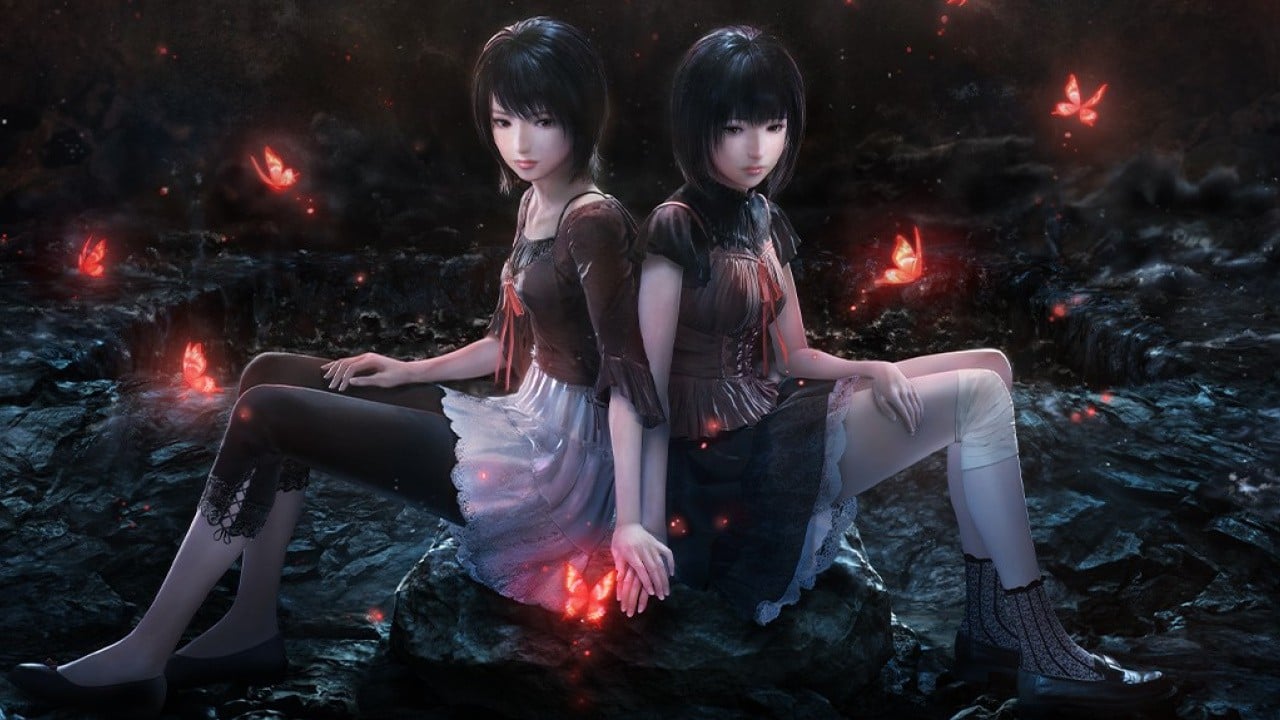
Set against the eerie backdrop of Minakami Village, a place steeped in tragedy linked to a sinister twin-related ritual, players assume the role of twin sisters Mio and Mayu Amakura. While committing to uncovering the village’s dark past, players traverse the enigmatic ruins in pursuit of Mayu, who has become separated. As they explore, they discover abandoned journals and reports that gradually illuminate the lore of Minakami, transforming the setting from a mere haunted house into a rich tapestry of cultural history.
While the protagonists may not exhibit profound depth—Mayu often feels more like a plot device than a fully realized character—their plight effectively fosters a measure of empathy, urging players to remain invested in their survival.
The gameplay adheres closely to traditional survival horror elements, featuring sprawling environments fraught with puzzles, collectible items, and spectral threats. Exploration serves as a vital mechanic, with strategic backtracking encouraged, allowing players to uncover hidden resources and confront new ghostly encounters. The game employs a cleverly designed environment and intuitive mapping to guide players, minimizing moments of disorientation.
The introduction of a revamped camera system replaces the fixed angles familiar in earlier titles with an over-the-shoulder perspective reminiscent of Resident Evil 4 and Dead Space. This change enhances the overall atmosphere, amplifying the tension in narrow passages and dark corridors, particularly when players are required to maneuver the camera to locate unseen threats. The new mechanic, which triggers unexpected jump scares when interacting with objects or opening doors, further heightens the suspense.
Additional content featured in the remake, including new locations and side stories woven into the original framework, augments the lore and introduces various gameplay elements, such as crystals that modify combat stats.
Central to the combat experience is the Camera Obscura, which demands players to capture ghosts in a series of strategic shots that deplete their health. The effectiveness of each photograph hinges on composition and timing, transforming combat into a suspenseful interplay of distance management and quick reflexes. Players must study ghostly opponents closely to capitalize on attack patterns and trigger “Fatal Frames” that allow for increased damage.
However, the combat system ultimately feels unbalanced, particularly at lower difficulty settings. Ghost enemies exhibit a level of durability that can frustrate, creating prolonged encounters that detract from the pacing. While the tension remains, lengthy battles can shift from exhilarating to tedious, as players navigate reload delays and wait for optimal shots. The mechanic that allows enemies to enter an ‘Aggravated’ state—translating to heightened aggression and health regeneration—adds another layer of complexity, yet can extend combat unnecessarily.
Graphically, Fatal Frame II: Crimson Butterfly Remake impresses with its atmospheric design but suffers from performance issues, primarily a consistent frame rate capped at 30 frames per second, evident even on powerful systems like the PS5 Pro. Artful environments rich in detail suffer from noticeable pop-in effects, which can disrupt immersion during exploration.
Conclusion: A Mixed but Worthwhile Experience
Fatal Frame II: Crimson Butterfly Remake stands as a compelling, if flawed, homage to its predecessor, showcasing the franchise’s distinctive contributions to survival horror. While it adeptly induces tension and dread within a richly detailed world, shortcomings in combat pacing and performance hinder the overall experience.
For dedicated fans of the franchise or the survival horror genre, the remake merits consideration. However, newcomers may find greater satisfaction in exploring more contemporaneous entries within the genre. While this remake might not fulfill every expectation, it remains an engaging and worthwhile addition to any horror enthusiast’s collection.
Source: Original Source
