


Starcloud Seeks FCC Approval for Ambitious Satellite Constellation
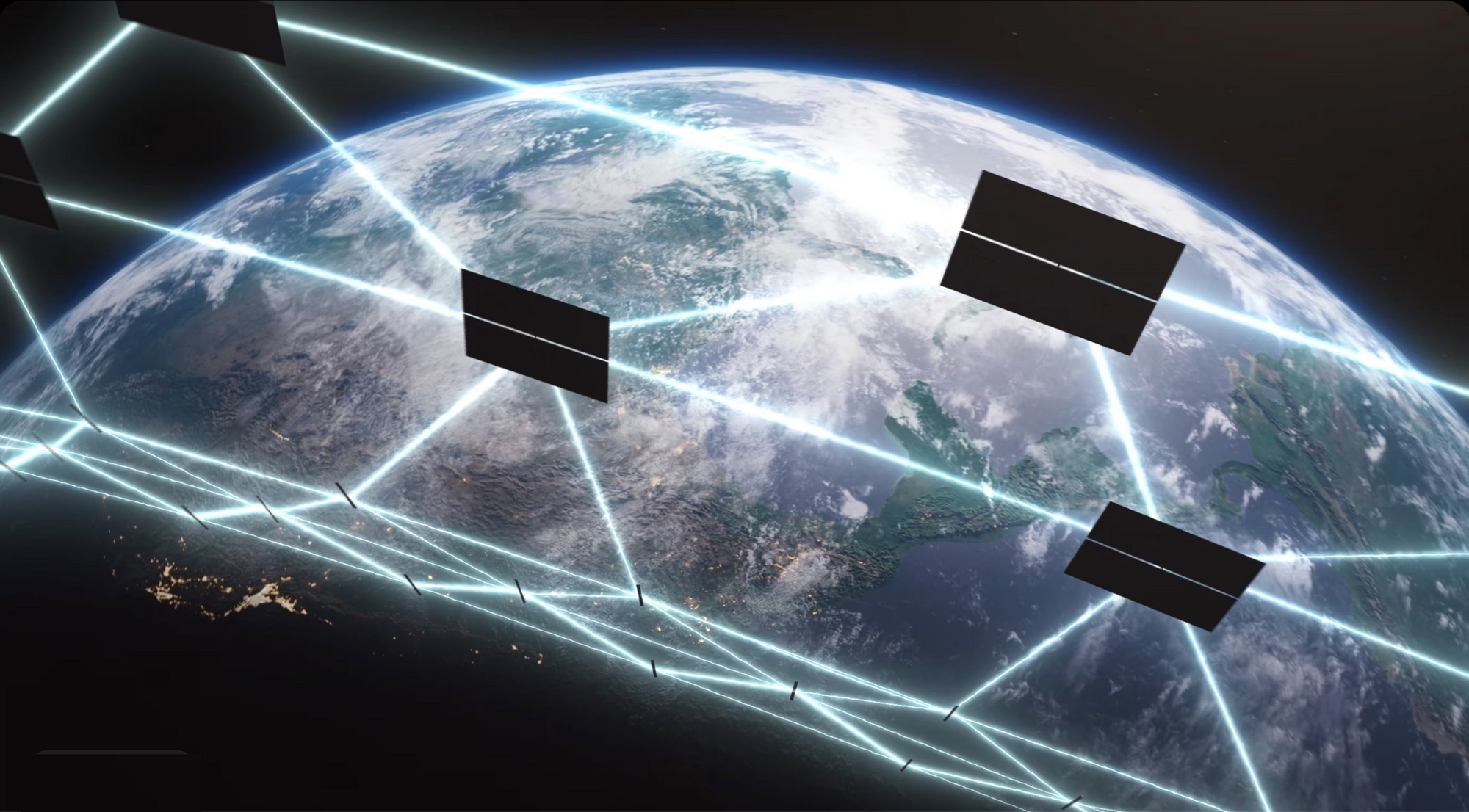
WASHINGTON, D.C. — Starcloud, an emerging startup based in Redmond, Washington, is looking to revolutionize the data center industry by filing an application with the Federal Communications Commission (FCC) for approval to deploy a constellation of up to 88,000 satellites in low Earth orbit.
On March 13, the FCC formally accepted Starcloud’s ambitious proposal, which aims to establish orbital data centers to address the surging demand for computing capacity—especially driven by advancements in artificial intelligence (AI). The company stated in its filing that traditional ground-based data centers are encountering significant scaling challenges, and orbital solutions may offer a cost-effective way to meet growing needs over the next decade.
Details regarding the individual satellites remain sparse, such as their dimensions and weight. However, the proposed satellites are slated to operate within specifically defined orbital shells, extending up to 50 kilometers in thickness at altitudes ranging from 600 to 850 kilometers. These satellites are designed to occupy dusk-dawn sun-synchronous orbits, optimizing solar energy generation for nearly continuous power supply.
If realized, the Starcloud constellation would dwarf other active satellite networks. Currently, SpaceX’s Starlink operates around 10,000 satellites. Although smaller than a recent SpaceX proposal that aims to develop a fleet of one million orbital data centers, Starcloud’s ambitious scope underscores a significant shift in satellite-based computing.
Similar to SpaceX’s infrastructure, Starcloud’s system would utilize optical intersatellite data links and collaborate with other broadband networks, including Amazon’s Project Kuiper and Blue Origin’s Tera Wave. The FCC filing seeks authorization for certain Ka-band spectrum to manage telemetry, tracking, and control communication without causing interference with existing systems.
Starcloud emphasized its commitment to safe and sustainable satellite operation, asserting plans to implement best practices that include coordination with other space operators and deploying satellites at lower orbits for initial system checks before ascending to operational altitudes. The company also outlined its strategy to ensure malfunctioning satellites are designed for rapid reentry, mitigating potential space debris.
In a nod to environmental responsibility, Starcloud noted that its satellites are engineered for “full demisability,” meaning they would completely incinerate upon reentry with no residual debris.
Furthermore, Starcloud has pledged to engage with the astronomy community to safeguard critical observations, committing to established brightness mitigation techniques.
Previously known as Lumen Orbit, Starcloud has successfully launched its first satellite, Starcloud-1, which was deployed in November through a SpaceX rideshare mission. This 60-kilogram satellite features an Nvidia H100 processor, enabling the operation of Google’s Gemini AI model in space.
Looking ahead, the company is advancing plans for its next commercial spacecraft, Starcloud-2, slated for a 2027 launch into sun-synchronous orbit. This craft will incorporate sophisticated power and thermal management systems within a small satellite form factor. Additionally, Starcloud has vision for further constellations, including Starcloud-3 and Starcloud-4, with plans for the latter to be assembled using SpaceX Starship vehicles and capable of sustaining a five-gigawatt data center with satellite arrays measuring four kilometers per side.
As Starcloud seeks to disrupt the status quo in computing infrastructure, its potential impact on the satellite landscape remains to be seen, pending regulatory approval and successful implementation of its extensive plans.
Source: Original Source
