

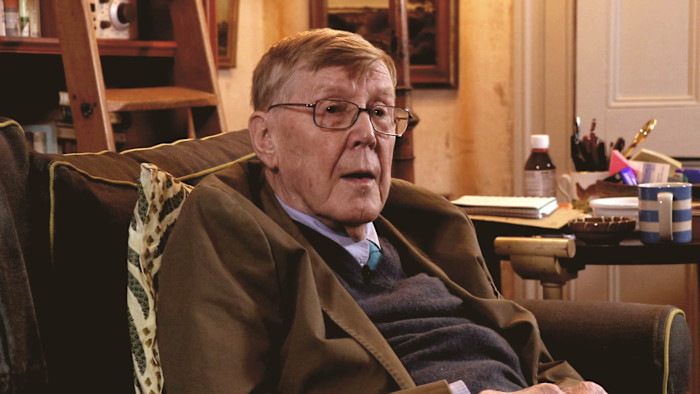

Reflections on Four Decades of Diaries: Alan Bennett’s Insights on Britain, Age, and Creativity
In a reflective examination of his diaries spanning 40 years, renowned playwright and author Alan Bennett contemplates the essence of Britain and his personal journey within it. Bennett articulates that the act of diary writing serves as both an introspective exercise and a connection to the wider world. “When I write mine, I feel part of the world,” he shares, underscoring the enduring democratic spirit of the nation and the significance of individual voices.
Through the lens of his diaries, Bennett notes that their personal nature often lures one into the realm of literature without the pretense of art. “This isn’t literature,” he confesses. “It’s just jotting down occurrences.” Despite occasional difficulties in engaging with others, he finds solace in conversing with himself through these written reflections.
Bennett describes himself as “the last person in the country to believe in the monarchy.” He believes it will endure through its current crises, likening the late Queen to a figure of myth. Despite having encountered her in a casual setting, he expresses relief at not having had any personal exchanges due to his shyness.
Interestingly, his diaries reveal ongoing themes of introversion. While he admits to being less shy than in his youth, Bennett acknowledges frequent feelings of hesitation in social situations. “As you get older, you can’t be bothered,” he remarks, suggesting that growing older brings a blend of diminished shyness and increased impatience.
As a prominent cultural figure, Bennett grapples with the notion of being labeled a “national treasure.” He views this designation as overly simplistic—a label that can obscure the complexity of a writer’s vocation. “It’s too easy a designation,” he states, reflecting on how such terms can diminish the artistic struggle and individuality inherent in writing.
Addressing the physical realities of aging, Bennett reveals his decision to include candid reflections about his health in his diaries. He recognizes the challenges that come with aging but emphasizes the importance of maintaining a writing practice: “The important thing is to keep writing,” he insists.
Bennett’s perspective on aging is candid—he notes the inevitable physical changes that accompany time and reflects on the communal experience of being older. “In your nineties, you’re an old man,” he states, emphasizing a transition from individuality in youth to a shared identity in older age.
In recounting his relationship with his partner, Rupert Thomas, whom he met in the 1990s, Bennett shares that their companionship was pivotal in his life. Having faced a serious health crisis earlier in his career, he attributes his recovery and happiness to Thomas’s presence. This relationship redefines his expectations, highlighting the nuances of love and companionship in later life.
Moreover, Bennett acknowledges the pervasive insecurities that accompany the writing process, admitting to a lingering fear of books. This vulnerability manifests in his works, which often explore themes of identity and belonging.
Contemplating his writing endeavors in the twilight of his career, Bennett reflects on the motivation behind his continued work. “What else am I going to do?” he muses, emphasizing the joy and fulfillment he derives from writing. His commitment to the craft remains strong as he aims to produce work that resonates with readers.
Ultimately, Bennett expresses a desire for enduring recognition rather than fame upon his passing, hoping to remain an influential voice through his literary contributions.
Alan Bennett’s latest work, Enough Said, is set to be released on March 19, promising further insights into the mind of one of Britain’s most cherished writers.
Source: Original Source
