

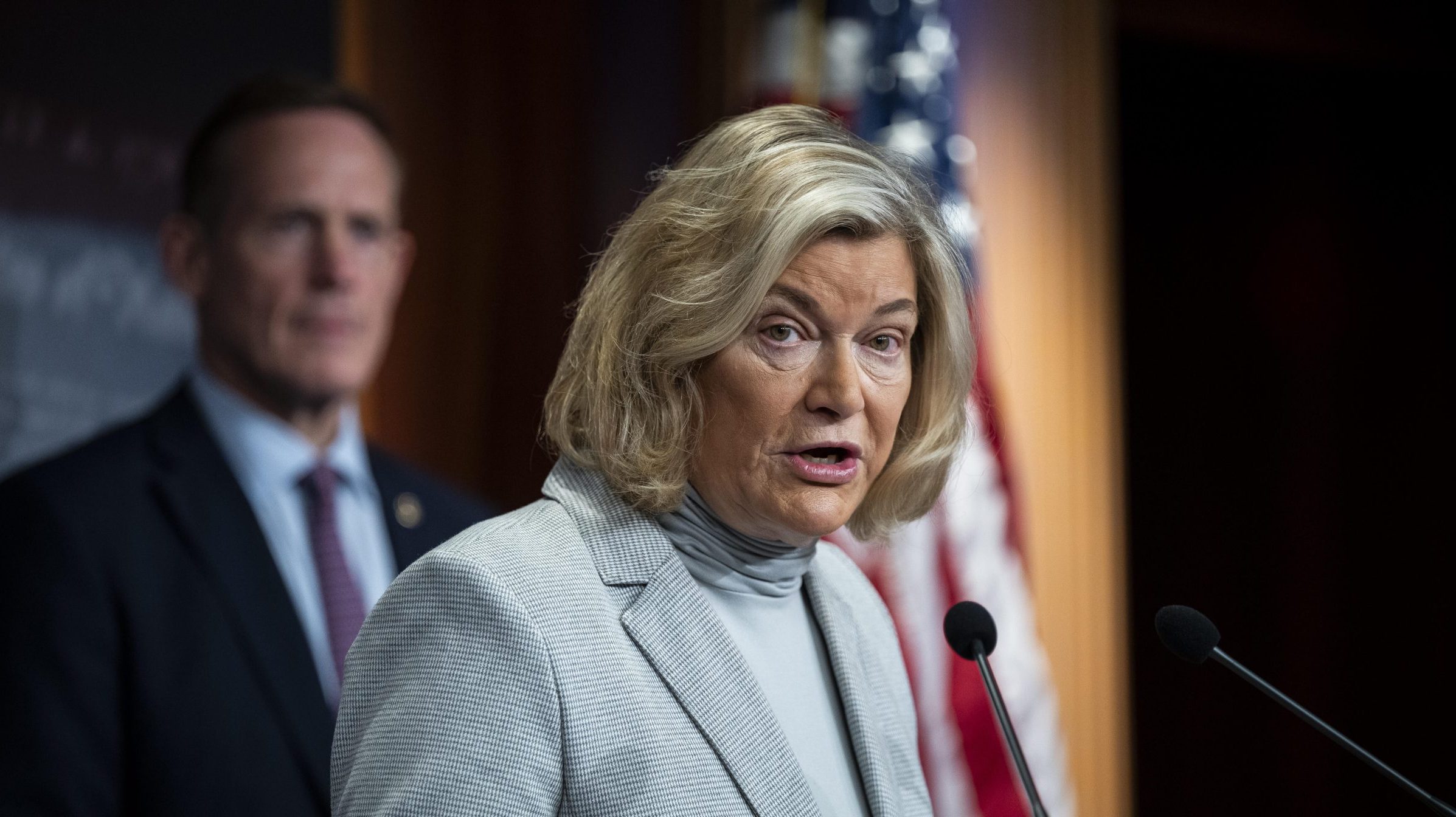

Senator Cynthia Lummis and the Quest for a U.S. Bitcoin Reserve
Senator Cynthia Lummis of Wyoming is at the forefront of a proposal that seeks to establish a strategic Bitcoin reserve for the United States. Named in her honor, the plan aims to acquire 200,000 Bitcoins over five years using budget-neutral strategies, positioning the U.S. as the world’s largest state Bitcoin holder. However, since its announcement in March 2025, progress has stalled, with President Donald Trump advocating for the U.S. to become the “crypto capital of the world” but failing to initiate any Bitcoin purchases to date.
The political backdrop for these initiatives is marred by ongoing disputes in Congress, particularly concerning the Clarity Act, which Lummis supports. During discussions, the senator expressed frustration over her Democratic colleagues’ reluctance to back the legislation, rooted in a broader conflict involving the U.S. banking sector and cryptocurrency firms like Coinbase.
Trump has openly criticized the traditional finance sector, stating, “The banks are making record profits, and we will not allow them to jeopardize our crypto agenda.” His son, Eric Trump, intensified the criticism, alleging that banks have been “ripping off” customers and hindering the crypto industry’s growth. As discussions continue, the issue of capital gains tax on Bitcoin transactions has emerged as an increasingly pertinent topic among Republican lawmakers.
Proposed Tax Relief for Crypto Investors
In a recent interview with CNBC, Senator Lummis outlined her vision for easing the tax burden on small crypto transactions. The discussion revolves around a proposal that would exempt transactions up to $300 from taxation, easing bureaucratic hurdles for everyday use of Bitcoin. This initiative is based on a bill she introduced in July 2025, which aims to exempt aggregate transactions not exceeding $5,000 annually from capital gains taxes.
“In the U.S., every Bitcoin purchase, even a cup of coffee, can trigger a taxable event,” Lummis noted. She emphasized the need for clarity in determining when Bitcoin sales should incur taxes, distinguishing between investment activities and everyday transactions. This new regulatory framework could significantly enhance Bitcoin’s viability as a payment method in daily life.
Political Transition and Legacy
As Senator Lummis prepares to step back from her political role—she announced she will not seek re-election in 2026—her influence on U.S. cryptocurrency policy is expected to remain. Over the years, Lummis has been instrumental in shaping discussions surrounding Bitcoin reserves and the broader cryptocurrency landscape.
While potential successor Harriet Hageman has shown a pro-crypto stance in her voting record, it remains uncertain if she will advocate for Bitcoin with the same fervor as Lummis. The future of U.S. cryptocurrency regulation may very well depend on how her political priorities are continued by those who follow in her footsteps.
Conclusion
As discussions surrounding Bitcoin and cryptocurrency gain momentum in U.S. politics, the developments driven by Senator Lummis will likely shape the landscape for years to come. As the country navigates the complex interplay of finance and technology, the potential for both regulatory advancement and market transformation hangs in the balance.
Source: Original Source
