


Assessing the Longevity of Modern TVs: A Complex Landscape
The lifespan of television sets today presents a dual narrative—while advancements have improved reliability compared to past technologies, certain challenges still remain. Historically, cathode ray tube (CRT) televisions were known for their longevity, often lasting two to three decades. In contrast, contemporary models, despite their advanced features, may not meet the same longevity expectations.
This brings us to the pivotal question: Which TV technologies are built to last? Excluding the aging CRT models, which are ill-equipped for modern high-definition content, we examine the longevity of various television types, particularly as new technologies emerge.
The Drawback of Budget LCD/LED TVs
Among the available options, budget LCD/LED TVs deserve caution. While their presence in retail markets is decreasing, those that employ outdated edge-lit technology and lack local dimming capabilities pose significant risks. Such models rely on constant backlighting, which can result in uneven heat distribution and, ultimately, component failure.
A study by RTINGS explored the durability of various LCD designs over 18,000 hours of usage. Alarmingly, 16 of 28 direct-lit, non-dimming LCDs failed during testing, underscoring that these economically priced models could become unusable in less than five years under regular use.
The Potential of OLED Technology
Conversely, modern OLED TVs exhibit promising longevity. Manufacturers claim these screens can last up to 100,000 hours, implying nearly 11 years of continuous use. However, practical experiences often yield lifespans closer to 7 to 10 years. The organic components integral to OLED technology are particularly susceptible to degradation, with one notable issue being burn-in. This occurs when static images remain onscreen for extended periods, leading to persistent ghost images.
Although manufacturers have introduced safeguards against burn-in—such as pixel-shifting and brightness adjustments—those who use their TVs for extended sessions may find OLEDs less ideal.
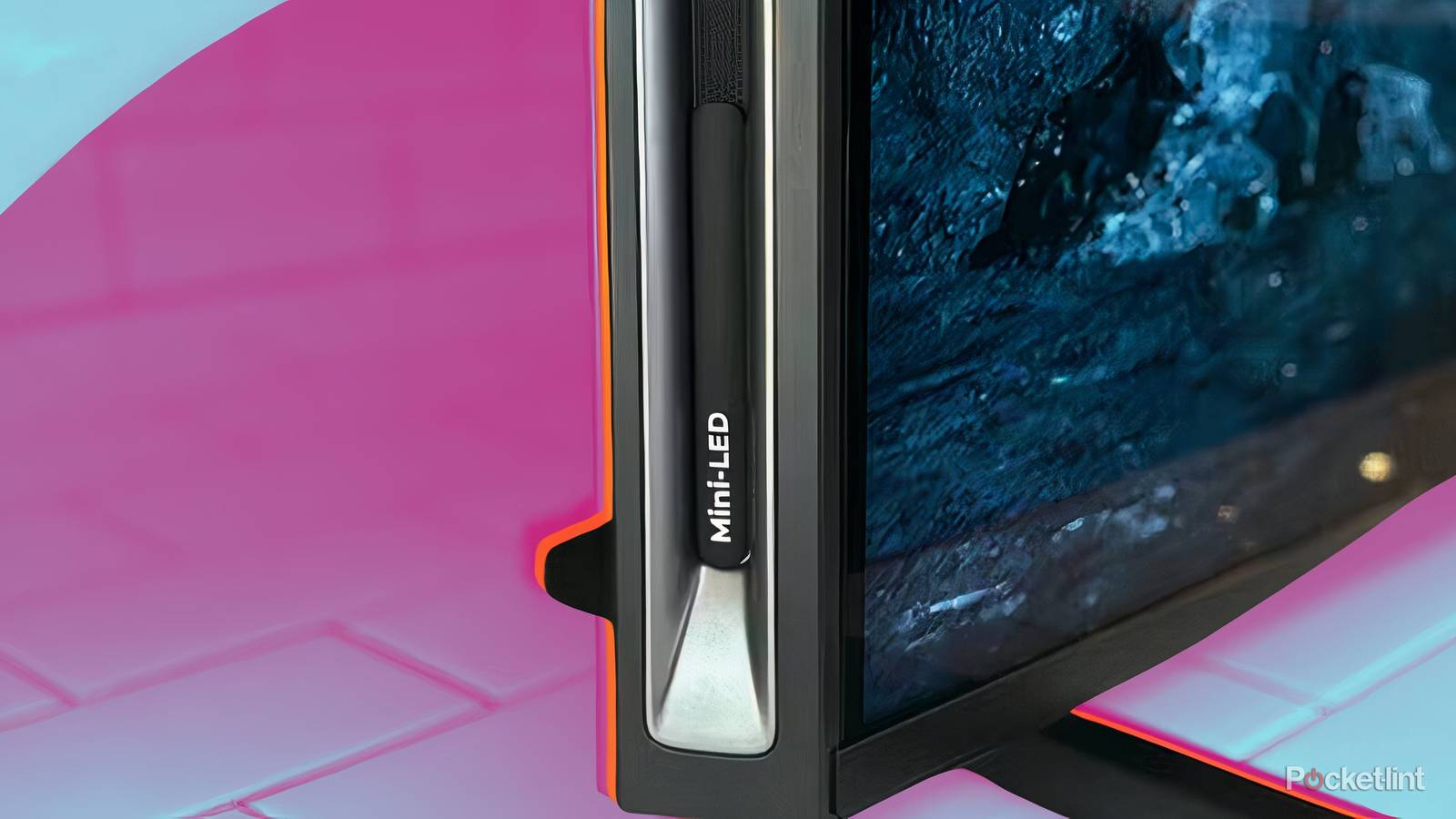
The Winning Technologies: Mini-LED and Full-Array QLED
In the current market, mini-LED and high-quality QLED televisions are leading the pack in terms of longevity. Unlike OLEDs, these technologies can last between 70,000 to 100,000 hours with significantly lower risk of issues such as burn-in or color fading. The robust local dimming capabilities in full-array QLEDs and mini-LED models allow them to manage brightness levels effectively, reducing heat stress on components.
As one reviewer notes, “A mini-LED will probably look just as good at 70,000 hours as it did at 7,000,” suggesting a reliable long-term viewing experience.
Future Technological Developments
Looking ahead, the emergence of RGB mini-LED and MicroLED technology raises questions about the future of television longevity. Although currently expensive and limited in availability, these formats could soon become more accessible. RGB mini-LED utilizes separate RGB LEDs for enhanced color accuracy, while MicroLED offers a self-illuminating pixel technology expected to surpass OLED in durability and performance.
Despite the excitement surrounding these innovations, the industry lacks comprehensive data on their long-term durability. With current models commanding prices that rival luxury vehicles, consumers may need to wait for further advancements before investing in these next-generation TVs.
As new technologies take hold, it will be essential to monitor their durability and performance to determine which will stand the test of time. Until then, the debate over the most reliable TV technology may require further exploration in the coming years.
Source: Original Source
