

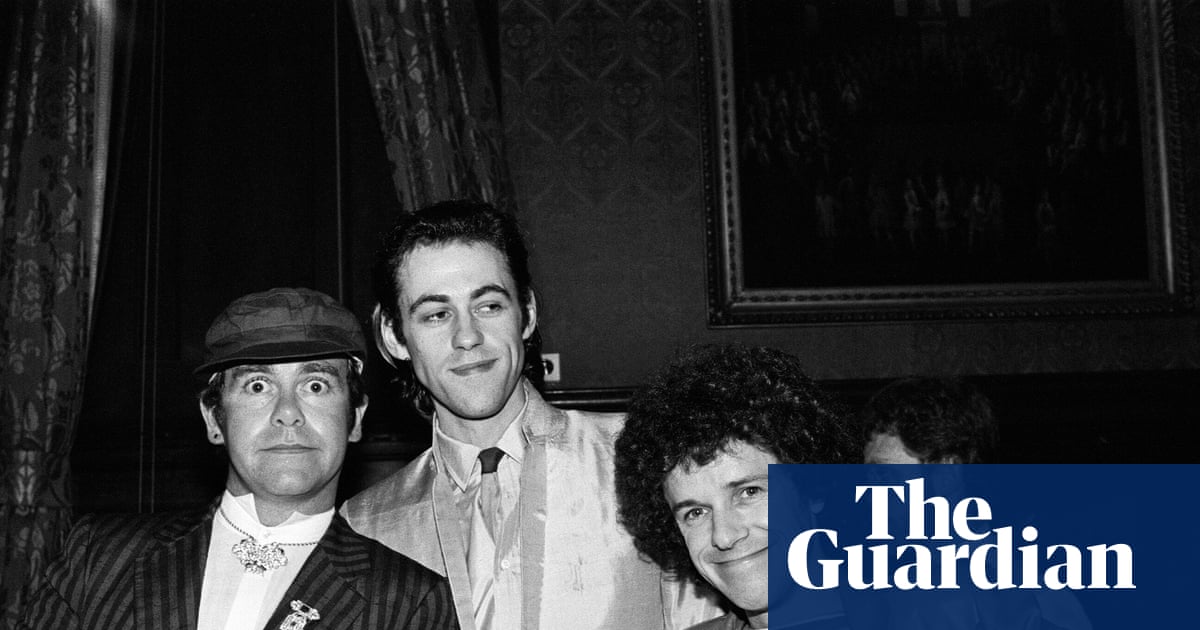

Leo Sayer: A Life Rich in Stories and Surprises
In a recent engaging video interview, musical icon Leo Sayer shared an abundance of fascinating anecdotes from his storied career. Currently residing in Australia, the 77-year-old pop star, still bursting with energy, reminisced about encounters with legendary figures such as Muhammad Ali, Keith Moon, and Elvis Presley.
During the 1970s, Sayer’s vivacious performances captured audiences’ attention. His debut appearance on Top of the Pops, featuring his hit “The Show Must Go On,” is unfortunately marred by controversy surrounding paedophile presenter Jimmy Savile, whose actions led to the video’s concealment. “He was creepy. He wouldn’t leave the stage, so they cannot show my first performance. I’m sure he fancied me,” Sayer remarked with candor.
Sayer’s illustrious career peaked with two consecutive number-one hits on the US charts: “You Make Me Feel Like Dancing” and “When I Need You.” While the former epitomized the 1970s’ pop and disco essence, the latter leaned into sentimentality. Despite his lyrical prowess—drawing inspiration from his idol Bob Dylan—Sayer emphasized his storytelling approach to songwriting, which often reflected his own experiences and emotions.
Adopting his stage moniker inspired by his curly hair, Sayer greeted me with a buoyant spirit reminiscent of a children’s television presenter: “Hello, Simon! How are you?” Although time has added a few wrinkles and silver strands to his appearance, his essence remains intact.
When asked how he identifies—whether as Leo or Gerard—he thoughtfully replied, “I think I need an escape valve. My passport says Gerard. And I like that.”
Raised in Shoreham-by-Sea, Sussex, to a Northern Irish mother and an engineer father, Sayer ventured to London in the 1960s. Initially, he pursued a career as a graphic artist and album cover designer—creating iconic designs like Bob Marley’s Catch a Fire—while performing harmonica with notable folk artists in local pubs.
Signing with former pop star Adam Faith would prove pivotal for Sayer. “Adam was an incredible mentor, but I can’t forgive him for what came later,” he recounted. Despite establishing fruitful connections with major artists, Sayer fell victim to dubious financial practices, relinquishing control over his finances to his manager.
Reflecting on this period, he disclosed, “I signed over power of attorney. It felt very gangster.” Realizing later the extent of his naivety, Sayer sought legal counsel, which led to a settlement after uncovering that significant earnings had been misappropriated.
Even as he grieved the passing of Faith in 2003, their relationship remained complex. As Sayer recounted, “I was just asked to help carry the coffin; we hadn’t made up.”
Sayer’s foray into reality television, particularly Celebrity Big Brother, stirred controversy and chaos. He humorously admitted to losing his temper after security confiscated his undergarments, branding the experience as emotionally taxing.
Throughout our conversation, Sayer revealed many memorable interactions with famous figures, including a phone call from Elvis Presley prior to his untimely death. “He wanted me to come to Graceland. I thought it was a prank at first,” he recalled.
Another poignant moment was his final night with friend Keith Moon. “I remember him being relaxed and emotional, a stark contrast to his usual demeanor,” Sayer reflected on Moon’s last evening. Similarly, he described a profound connection with legendary boxer Muhammad Ali, who invited him to spend time together—a bond that was both personal and fleeting.
As our conversation drew to a close, Sayer expressed his optimism about the future. With plans for a UK tour, an upcoming memoir, and aspirations to headline Glastonbury, he vividly embodied the positivity he spreads in his music and life. “I see positivity in everything. It’s always a bright and sunny day,” he declared, signing off as his bedtime approached.
Sayer’s Can’t Stop Loving You tour is set to begin on October 7, promising fans a vibrant celebration of his enduring legacy.
Source: Original Source
